
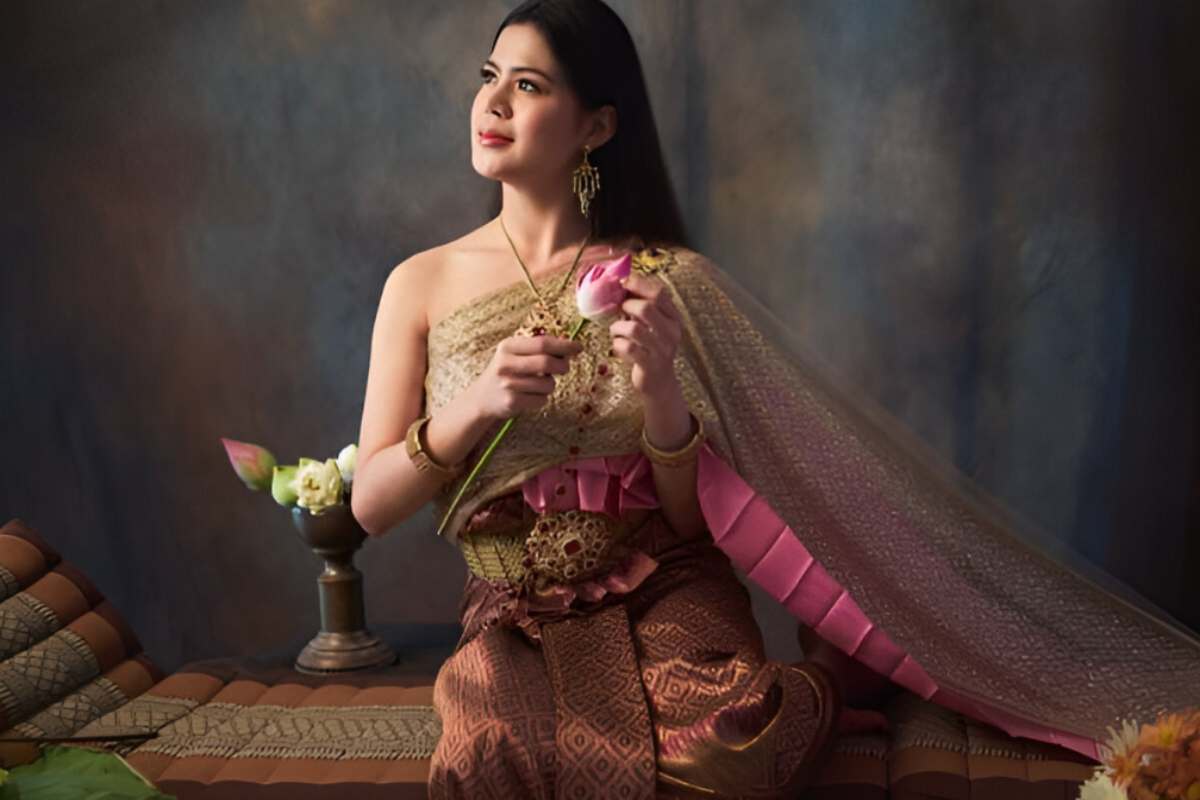
The Traditional Indian Saree for Women: Different Types, Fabrics Used, Saree Per State, and Where to Purchase Them
The traditional saree is considered one of the most respected garments in India. The saree itself isn’t merely an attire; rather, it symbolizes Indian culture, festival celebrations, marriages, family practices, and gracefulness. Indian women wear different types of sarees from different Indian states, which have their own unique designs, fabrics, colors, and styles.
Whether the saree is made of silk in Tamil Nadu or cotton in West Bengal, every Indian state has its unique saree design and style. Even today, women enjoy wearing traditional sarees because of their elegance and timeless fashion.
This guide will help you learn about everything related to traditional Indian sarees for women:
- Types of traditional sarees
- State-wise saree styles
- Saree fabric guide
- Wedding sarees
- Festival sarees
- Daily wear sarees
- Handloom sarees
- How to choose sarees
- Where to buy sarees
- Saree trends in India
- Styling tips
- Care instructions
- Comparison tables
- Frequently asked questions
Table of Contents
What Is a Traditional Saree?
A traditional saree is a long unstitched fabric worn by women in India and South Asia. It is usually between 5 to 9 yards long and is draped around the body with a blouse and petticoat.
Traditional sarees are important in:
- Weddings
- Religious festivals
- Temple visits
- Family ceremonies
- Cultural events
- Office wear
- Daily wear in some regions
Every Indian state has its own weaving traditions and saree identity.
Why Traditional Sarees Remain Popular
Traditional sarees continue to stay fashionable because they:
- Represent Indian culture
- Suit all age groups
- Work for many occasions
- Come in many fabrics and price ranges
- Look elegant and timeless
Many women also value handloom sarees because they support local artisans and traditional weaving communities.
Main Types of Traditional Sarees in India
India has hundreds of saree varieties. Some are famous worldwide.
Popular Traditional Saree Types
| Saree Type | State |
| Kanjeevaram Saree | Tamil Nadu |
| Banarasi Saree | Uttar Pradesh |
| Paithani Saree | Maharashtra |
| Patola Saree | Gujarat |
| Kasavu Saree | Kerala |
| Chanderi Saree | Madhya Pradesh |
| Sambalpuri Saree | Odisha |
| Baluchari Saree | West Bengal |
| Muga Silk Saree | Assam |
| Pochampally Saree | Telangana |
Kanjeevaram Saree – Tamil Nadu
Kanjeevaram sarees are among the most famous silk sarees in India.
Features
- Heavy silk fabric
- Rich zari borders
- Temple-inspired designs
- Bright colours
- Traditional motifs
Best For
- South Indian weddings
- Temple ceremonies
- Bridal wear
- Festivals
Common Colours
| Popular Colours |
| Red |
| Gold |
| Green |
| Maroon |
| Royal blue |
Kanjeevaram sarees are known for durability and luxurious appearance.
Banarasi Saree – Uttar Pradesh
Banarasi sarees are woven in Varanasi and are famous for detailed zari work.
Features
- Gold and silver brocade
- Mughal-inspired patterns
- Rich silk weaving
- Floral motifs
Best For
- Bridal sarees
- Reception events
- Luxury festive wear
Paithani Saree – Maharashtra
Paithani sarees are famous for colourful peacock and floral designs.
Features
- Handwoven silk
- Contrasting borders
- Traditional motifs
- Vibrant colours
Popular Motifs
- Peacock
- Lotus
- Parrot designs
Patola Saree – Gujarat
Patola sarees are known for double ikat weaving techniques.
Features
- Geometric patterns
- Bright colours
- Detailed craftsmanship
- Handwoven process
Patola weaving is considered one of India’s most skilled textile arts.
Kasavu Saree – Kerala
Kasavu sarees are simple white or cream sarees with golden borders.
Features
- Minimal design
- Cotton or silk fabric
- Elegant gold border
Popular During
- Onam festival
- Kerala weddings
- Temple functions
Kasavu sarees are known for simplicity and grace.
Chanderi Saree – Madhya Pradesh
Chanderi sarees are lightweight and comfortable.
Features
- Soft texture
- Transparent appearance
- Light zari work
- Elegant drape
Suitable For
- Office wear
- Daytime functions
- Summer events
Sambalpuri Saree – Odisha
Sambalpuri sarees use traditional ikat weaving.
Features
- Handwoven patterns
- Traditional motifs
- Cotton and silk options
Common Designs
| Design |
| Shell motifs |
| Temple patterns |
| Floral shapes |
Baluchari Saree – West Bengal
Baluchari sarees are famous for storytelling designs.
Features
- Mythological artwork
- Rich silk weaving
- Decorative pallu designs
These sarees often depict scenes from Indian epics.
Muga Silk Saree – Assam
Muga silk is one of the rarest silks in India.
Features
- Natural golden shine
- Strong silk texture
- Traditional Assamese weaving
Muga silk sarees are valued for durability.
Pochampally Saree – Telangana
Pochampally sarees are known for ikat dyeing patterns.
Features
- Geometric designs
- Bright colour combinations
- Lightweight fabric
These sarees are popular for both daily and festive wear.
Traditional Saree Fabric Types
Fabric changes comfort, look, and pricing.
Popular Saree Fabrics
| Fabric | Best For |
| Silk | Weddings |
| Cotton | Daily wear |
| Linen | Summer wear |
| Chiffon | Lightweight styling |
| Georgette | Party wear |
| Organza | Fashion sarees |
| Tissue silk | Festive wear |
Silk Sarees
Silk sarees are considered luxurious and traditional.
Types of Silk Sarees
| Silk Type | Region |
| Kanjeevaram Silk | Tamil Nadu |
| Banarasi Silk | Uttar Pradesh |
| Mysore Silk | Karnataka |
| Muga Silk | Assam |
| Tussar Silk | Bihar |
Cotton Sarees
Cotton sarees are lightweight and breathable.
Best For
- Office wear
- Summer season
- Daily use
- Elder women
Popular Cotton Sarees
| Saree | State |
| Chettinad Cotton | Tamil Nadu |
| Tant Saree | West Bengal |
| Kota Doria | Rajasthan |
Organza Sarees
Organza sarees are modern and fashionable.
Features
- Lightweight
- Slight transparency
- Stylish appearance
Popular among younger women for parties and receptions.
Georgette Sarees
Georgette sarees are soft and flowy.
Good For
- Modern styling
- Party wear
- Easy draping
Wedding Sarees in India
Wedding sarees vary by region and tradition.
State-Wise Bridal Sarees
| State | Popular Bridal Saree |
| Tamil Nadu | Kanjeevaram |
| Kerala | Kasavu |
| Maharashtra | Paithani |
| Gujarat | Panetar |
| West Bengal | Red Banarasi |
| Karnataka | Mysore Silk |
Festival Sarees
Different festivals have different saree traditions.
Popular Festival Sarees
| Festival | Common Saree Type |
| Diwali | Silk sarees |
| Onam | Kasavu saree |
| Durga Puja | Red-white saree |
| Pongal | Cotton silk saree |
State-Wise Traditional Saree Guide
Tamil Nadu
Famous Sarees
- Kanjeevaram silk
- Chettinad cotton
Known For
- Temple borders
- Rich silk weaving
Kerala
Famous Sarees
- Kasavu saree
Known For
- Cream fabric
- Gold borders
Karnataka
Famous Sarees
- Mysore silk
- Ilkal saree
Known For
- Smooth silk texture
Andhra Pradesh & Telangana
Famous Sarees
- Pochampally
- Gadwal sarees
Known For
- Ikat weaving
- Cotton-silk combinations
Maharashtra
Famous Sarees
- Paithani
- Nauvari saree
Known For
- Peacock motifs
- Traditional draping
Gujarat
Famous Sarees
- Patola
- Bandhani sarees
Known For
- Tie-dye work
- Bright colours
Rajasthan
Famous Sarees
- Bandhej sarees
- Kota Doria
Known For
- Colourful patterns
West Bengal
Famous Sarees
- Tant sarees
- Baluchari sarees
Known For
- Artistic weaving
Assam
Famous Sarees
- Muga silk
Known For
- Natural golden silk
How to Choose the Right Saree
Important Things to Consider
- Occasion
Heavy silk sarees suit weddings while cotton suits daily wear.
- Weather
Cotton and linen are better for summer.
- Comfort
Some heavily embroidered sarees may feel heavy.
- Budget
Handloom silk sarees are more expensive.
Saree Buying Guide
Where to Buy Traditional Sarees
Offline Shopping
Benefits:
- Fabric checking
- Colour accuracy
- Easy blouse matching
Online Shopping
Benefits:
- Large variety
- Easy comparison
- Discount offers
Best Places to Buy Sarees in India
Famous Saree Shopping Cities
| City | Famous For |
| Kanchipuram | Silk sarees |
| Varanasi | Banarasi sarees |
| Surat | Designer sarees |
| Kolkata | Tant and Baluchari |
| Hyderabad | Pochampally |
Handloom Sarees vs Powerloom Sarees
| Handloom | Powerloom |
| Handmade | Machine-made |
| Unique weaving | Mass production |
| More expensive | Affordable |
| Supports artisans | Faster production |
Handloom sarees are often valued for craftsmanship.
Saree Styling Tips
Accessories That Match Sarees
| Accessory | Purpose |
| Earrings | Traditional styling |
| Bangles | Festive look |
| Waist belt | Modern styling |
| Bindis | Cultural appearance |
| Flowers | South Indian styling |
Blouse Styles for Traditional Sarees
Popular Blouse Designs
- Elbow sleeve blouse
- Boat neck blouse
- High neck blouse
- Puff sleeve blouse
- Backless blouse
- Embroidered blouse
Traditional Saree Colours and Meanings
| Colour | Meaning |
| Red | Marriage and celebration |
| White | Simplicity |
| Green | Prosperity |
| Yellow | Positivity |
| Gold | Luxury |
How to Maintain Sarees
- Store silk sarees carefully
- Avoid moisture
- Fold regularly
- Use muslin cloth for storage
- Dry clean heavy silk sarees
Sustainable Fashion and Handloom Sarees
Handloom sarees support:
- Local weavers
- Traditional crafts
- Sustainable fashion
Many people now prefer handmade sarees over mass-produced fast fashion.
Modern Saree Trends
Traditional sarees now include:
- Belt styling
- Ruffle sarees
- Lightweight silk
- Pastel colours
- Minimal embroidery
Young women today mix traditional sarees with modern fashion styling.
Frequently Asked Questions
Which saree is best for weddings?
Kanjeevaram, Banarasi, and Paithani sarees are very popular for weddings.
Which saree fabric is best for summer?
Cotton, linen, and lightweight chiffon sarees are comfortable in summer.
Are handloom sarees expensive?
Some handloom sarees cost more because they require manual weaving.
Which saree is easiest to drape?
Georgette and chiffon sarees are usually easier for beginners.
Which saree is famous in South India?
Kanjeevaram silk sarees are especially famous in South India.
Can traditional sarees look modern?
Yes. Modern blouse designs and styling create contemporary looks.
Which saree is lightweight?
Chanderi, chiffon, and linen sarees are lightweight options.
What is the difference between silk and cotton sarees?
Silk sarees are richer and heavier, while cotton sarees are lighter and breathable.
Are traditional sarees still fashionable?
Yes. Traditional sarees remain timeless and continue to trend in India.
How many sarees should beginners own?
Many women start with:
- One silk saree
- One cotton saree
- One lightweight party saree
Conclusion
Traditional sarees are still one of the most loved outfits for women in India. From heavy silk wedding sarees to simple cotton sarees for daily wear, every saree has its own beauty and cultural meaning. Different states in India have their own famous saree styles, fabrics, and designs that make Indian fashion unique.
Today, sarees are worn not only for festivals and weddings but also for parties, office events, and modern fashion styling. Many women now mix traditional sarees with trendy blouses and accessories for a stylish look.
Whether it is a soft cotton saree, rich silk saree, or lightweight organza saree, traditional sarees continue to stay fashionable, elegant, and connected to Indian culture.