
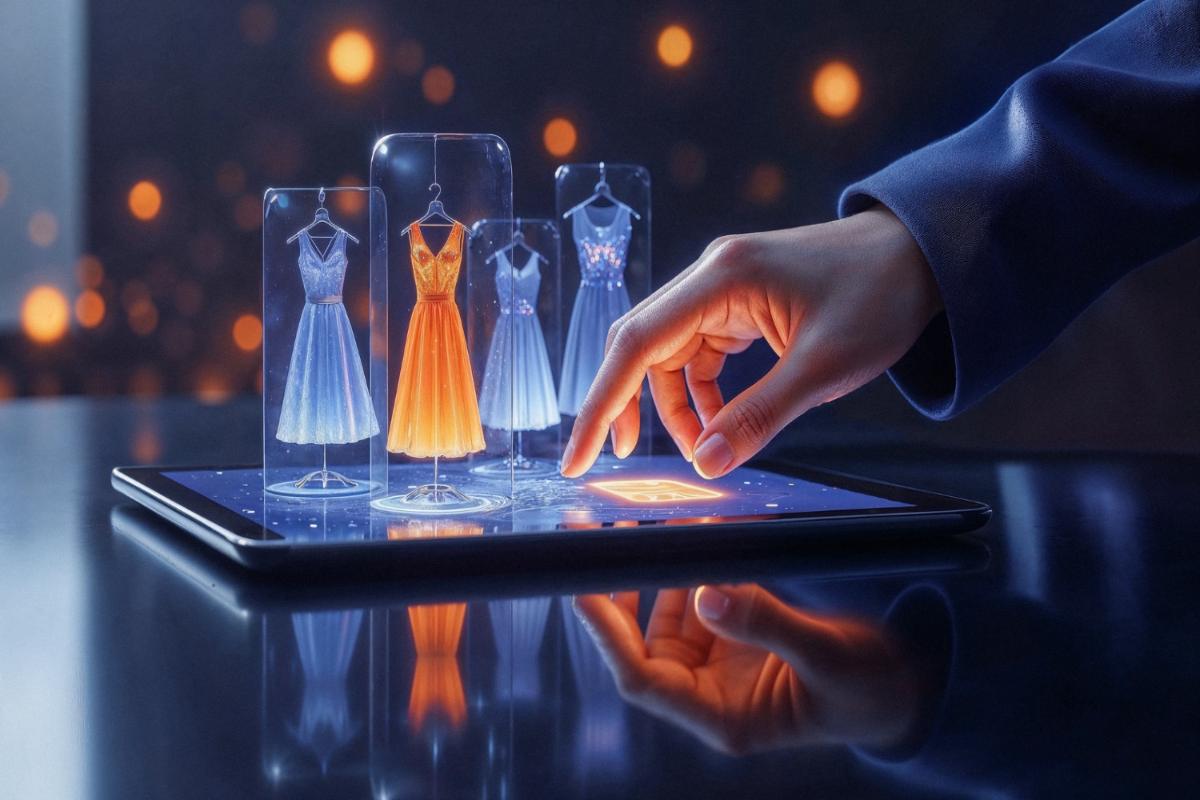
Fashion marketing has become ridiculously complex. Every brand is investing in Instagram ads, crossing their fingers, and hoping for the best this week with the algorithm. Between increasing customer acquisition costs and everyone targeting the same congested clientele, it’s a wonder how anyone makes money anymore.
Except those brands that currently are making money have figured out they cannot rely upon Mark Zuckerberg’s whims to operate. They use multi-channel efforts which create multiple pathways to customers instead of putting all their eggs in one basket.
Table of Contents
Why Fashion Brands Don’t Need To Rely Upon Instagram
Many fashion brands still operate under the guise that social media marketing is their one-stop shop ticket. They put most of their budgets into Facebook and Instagram ads, they compromise email efforts, and they don’t even bother utilizing other viable marketing avenues.
This was effective enough five years ago when social media advertising was less expensive and less cutthroat. But those days are long gone. And iOS updates from 2021 alone messed up how Facebook could track its users, eliminating serious targeting options and measurable campaign performance.
Brands whose entire livelihoods leaned on Facebook advertising saw their lives upended overnight with increased customer acquisition costs—sometimes 2x, 3x, or more—and many still don’t know which campaigns worked. Those with foresight began creating contingency plans.
Ways to Directly Contact Customers
Fashion brands need to have access to customers that don’t rely on social media algorithms or email deliverability. One of the most effective ways to directly contact fashion customers on the go is through push notifications for timely savings and product information.
When fashion retailers use the best push notification ad network, push notifications can seamlessly attract customers with mobile-optimized notifications delivered straight to their smartphones without requiring an app download or engagement from both sides. This works for iPhone and Android devices, meaning that instant access for fashion brands occurs as they share flash sales, most coveted products back in stock, or personalized notes about styling tips.
This works best for fashion because much of the buying process occurs on impulse; if someone gets a notification that their perfect jeans are back in stock for one more day and they’re 40% off as a surprise, they’ll purchase right away instead of seeing an email three days later after the sale ended.
Customer Journey Mapping
Brands that align with customer loyalty understand the entire customer experience from start to finish. They don’t consider a seamless sale as the finish line, but rather how they’ll interact every month, year, and beyond.
A customer may discover a fashion brand on a display ad or social post; sign up for emails to receive a discount code; make their first purchase; receive follow-up emails on styling options; be pushed notifications about sales; and eventually become a VIP customer with early access to new collections. Each step requires different messaging through different mediums.
Fashion brands that assess this journey properly often find their best customers engaging through multiple channels instead of just one. Those who engage through more than one channel are often higher spenders with longer retention rates than those who only interact through one touchpoint.
Email Marketing That’s Useful
Email marketing for fashion brands isn’t dead, but sending newsletters that all say the same thing is more of a waste than an effective use of time. Fashion retailers getting success from email campaigns also send personalized suggestions depending on what someone bought, what they looked at, and what styles they seem to have gravitated towards.
Automated email sequences work best for fashion. If someone leaves their shopping cart idle, they get a friendly reminder a few hours later. If an item someone viewed is now in stock, they’re notified right away. If someone buys a dress, they may receive info about compatible shoes or purses.
Fashion retailers also email to connect all their channels together—an email may suggest following them on IG for exclusive content, an invite to a special event at their flagship store, or an early-access sale only for people who open the email first.
Social Media as Less of a Reliant Platform
Social media still works for fashion brands but claiming it as a primary channel of sales is now problematic. Brands leveraging social media correctly use it as an avenue to create community and brand storytelling while using other channels to drive purchases.
This serves more as a discovery and engagement tool instead of a direct purchase platform. Fashion brands create content that makes people feel aligned with them and then rely on retargeting ads and other channels to convert their followers into paying customers.
User-generated content works best in fashion because people love to show off what they wear. When brands suggest customers take photos in their clothes (that celebrate wholesomely appropriate purposes), genuine marketing content is created while brand-customer relationships strengthen.
Loyalty Programs Beyond Points
Basic points-based loyalty programs underestimate great opportunities for stronger relationships with customers. The fashion brands getting the most out of loyalty programs reward customers for all types of engagement—from sharing on social media to writing reviews, referring friends, or simply engaging consistently within an email.
These are engagement loyalty programs integrated with other marketing opportunities that create a seamless experience—customers earn points through email engagement, get exclusive push offers, and unique access via social connections.
Personalization makes loyalty programs vastly more effective—fashion brands can eliminate disparate rewards by using customer data to suggest appropriate styling advice, give early access to items people actually want instead of generic suggestions and offer rewards that make sense from a shopping perspective.
What’s Measurable When Using Multiple Channels?
When fashion brands rely on multiple marketing channels, it’s tougher but better to measure success over simple click-throughs or social likes. Not every interaction tells a cumulative story when engaged through multiple channels.
The most effective fashion retailers understand customer lifetime value and need to figure out which combination creates the highest-value relationship over time. They assess how customers engage through different platforms with strong purchase values.
Multi-channel marketing requires a more sophisticated approach but creates far more sustainable growth than relying on one channel. Fashion retailers that cultivate all-encompassing strategies rarely want for anything because customer retention usually increases, average order value reigns higher, and planned revenue growth naturally aligns—even when one channel has its issues from time-to-time.